When you’re planning a corporate gift, a wedding favor, or a holiday treat, you’ll likely hear the phrase “minimum order requirement” tossed around. It can feel like a roadblock, but understanding the why behind it can help you make smarter choices—and maybe even negotiate a better deal. This article dives into the business logic, cost factors, and customer‑centric reasons that make many hamper suppliers set a minimum order requirement, all while keeping the tone professional, informative, and sprinkled with a touch of humor.
The Business Side of Hamper Orders
What Drives the Minimum Order Requirement?
Suppliers often set a minimum order requirement to cover fixed costs that don’t scale down with a single hamper. Think of it as the cost of a car’s engine versus the cost of a single seat—each seat is cheap, but you need a whole engine to make it work. The key drivers include:
- Packaging materials: Boxes, tissue paper, and ribbons add up, even for one hamper. Labor for assembly: A worker’s time is a fixed cost; spreading it over many units reduces the per‑unit expense. Logistics and shipping: Freight rates favor bulk shipments; a single hamper is often shipped in a larger container to save on per‑kg costs.
How the Minimum Shapes Supplier Strategy
Suppliers use minimum order requirements to:
- Maintain profit margins by ensuring each order covers overhead. Simplify inventory management by reducing the number of small, irregular orders. Encourage bulk buying, which can lead to repeat business and long‑term partnerships.
Cost Factors That Drive Minimums
Fixed vs. Variable Costs
In the world of hamper production, fixed costs are like the foundation of a house—necessary regardless of how many rooms you build. Variable costs, on the other hand, scale with the number of hampers. Suppliers aim to keep variable costs low by ordering in bulk, which is why a minimum order requirement often appears.
The Impact of Packaging
Packaging is a silent hero in the hamper business. High‑quality boxes not only protect contents but also create a premium feel. However, each box incurs a fixed cost for design, printing, and shipping. Suppliers balance this by setting a minimum order that spreads the packaging cost across many hampers.
Labor Efficiency
A single hamper requires a worker’s attention from start to finish. When you order dozens, that worker can set up a line, reducing the time spent per hamper. This efficiency translates into lower labor costs per unit, which is why suppliers favor larger orders.
Operational Efficiency and Inventory Management
Streamlining Production Lines
Imagine a factory line that stops every time a single hamper is finished—inefficient, right? By setting a minimum order requirement, suppliers keep production lines running smoothly, allowing workers to focus on speed and consistency.
Reducing Stockouts
Smaller orders increase the risk of stockouts or delays. With a minimum order, suppliers can plan better, ensuring that the right items are always in stock and ready for shipment. This reliability is crucial for businesses that rely on timely deliveries.
Inventory Turnover
Higher inventory turnover reduces holding costs. A minimum order requirement encourages suppliers to keep inventory levels stable, which in turn lowers storage expenses and the risk of obsolescence.
Customer Experience and Pricing
Value Perception
Customers often equate lower unit prices with higher value. By offering a lower price per hamper when the order https://lorenzochpd339.lucialpiazzale.com/why-are-bulk-hampers-suitable-for-event-planners-in-australia meets the minimum, suppliers create a perception of savings that can sway purchasing decisions.
> “People buy more when they feel they’re getting a deal,” says industry analyst Maya Patel. “It’s not just about the price; it’s about the perceived value.”
Consistency in Quality
Bulk orders allow suppliers to maintain consistent quality across all hampers. When a single hamper is produced, there’s a higher chance of a mistake slipping through. By standardizing the process, suppliers ensure that every hamper meets the same high standards.
Flexibility for Customization
When orders reach a certain size, suppliers can offer customization options—such as personalized labels or themed selections—without significantly increasing the cost. This flexibility adds value for customers who want a tailored experience.
How to Navigate Minimum Order Requirements
Assess Your Needs
Before placing an order, ask yourself:
- How many hampers do you truly need? Can you combine orders with other clients or events to reach the minimum?
Negotiate When Possible
If you’re a repeat customer or planning a large, recurring order, suppliers may be willing to lower the minimum or offer a discount. Approach the conversation with data—show how your order can benefit both parties.
Bundle Smartly
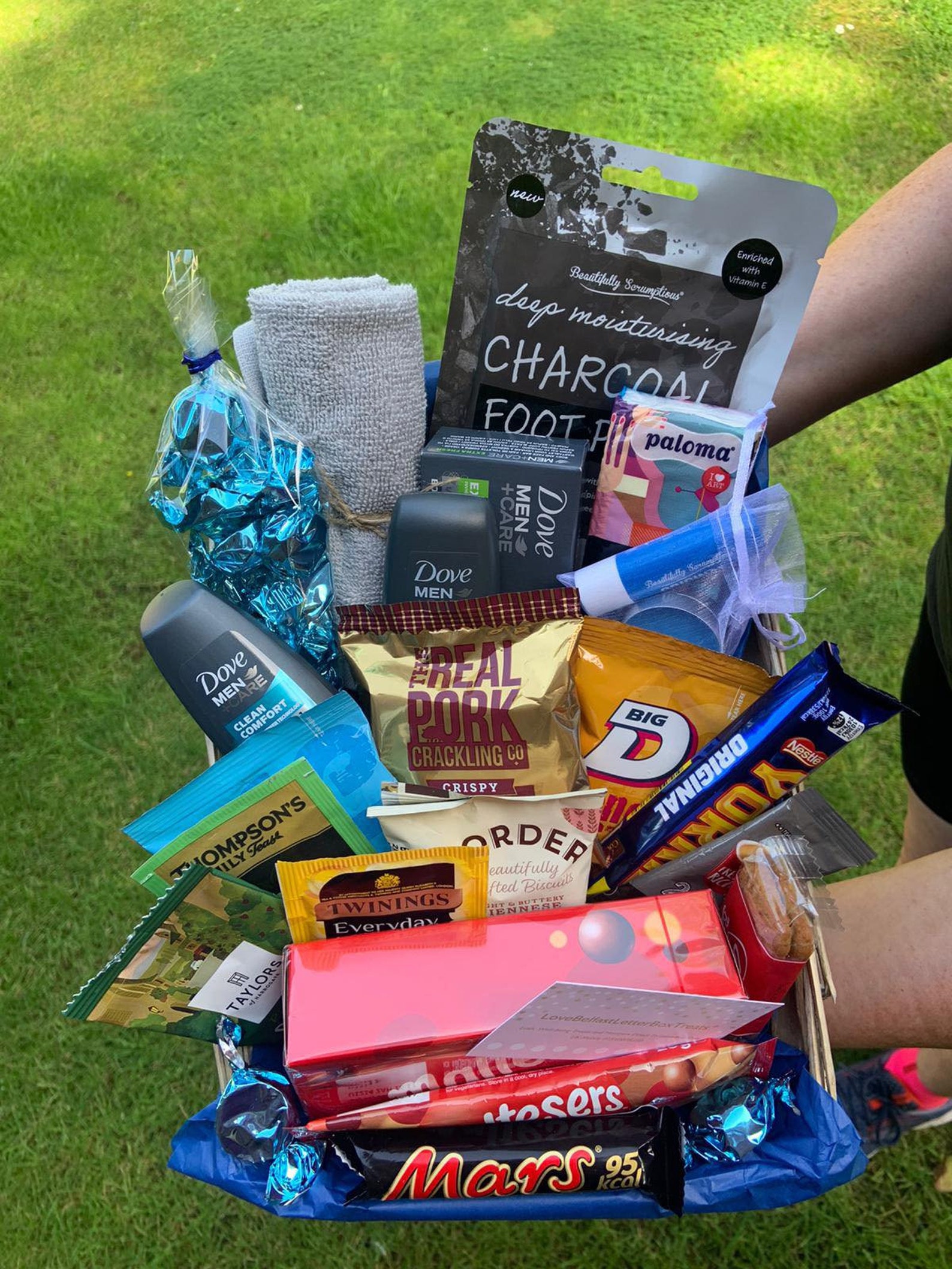
Consider bundling hampers with complementary products, such as gift cards or event tickets, to reach the minimum while adding value for your recipients.
Leverage Seasonal Demand
During peak seasons, suppliers often have higher inventory and may be more flexible with minimums. Plan your orders strategically to take advantage of this window.
Use Online Platforms
Many suppliers now offer online ordering systems that clearly display minimum requirements and allow you to adjust quantities in real time. This transparency helps you avoid surprises and plan better.
Making Your Selection Count
Choosing a hamper supplier with a clear understanding of why some suppliers have a minimum order requirement can save you money, reduce headaches, and ensure a smooth gifting experience. By looking beyond the headline and exploring the cost structures, operational efficiencies, and customer‑centric benefits, you’ll be better equipped to make an informed decision.
Remember, the goal isn’t just to meet a minimum—it’s to create value for both you and the people receiving the hampers. When you align your needs with the supplier’s business model, the partnership becomes a win‑win, and the hamper becomes more than just a gift—it becomes a memorable experience.
Ready to find the perfect hamper supplier? Start by asking about their minimum order requirement, https://privatebin.net/?c05b071d8726e3c9#9F5Zg7YnjoWw22wrzKUzdEmsbJBXfRMygBX3yz3EeDt1 and let the conversation lead you to a deal that fits your budget and your vision.